
Prescribed Burn Operations Planned at State Parks
California State Parks, with assistance from Cal Fire and other partner agencies, will carry out a series of prescribed burns in several parks in San Luis Obispo County starting late this month. The burns may occur in Morro Bay and Montaña de Oro state parks and may continue through June 2027. All burning is dependent on available fire resources, weather, and air quality conditions. If weather or vegetation conditions are not conducive for burning and smoke dispersal, the planned burns will be rescheduled.
• Some park roads, facilities, and trails near the burn area may be closed. For the most updated information on park closures, please visit the individual park unit’s webpage.
• Although prescribed burns produce significantly less smoke than a wildfire, people traveling near the fire burn areas may see smoke from 8 a.m. to 6 p.m. on the day of the burns.
• In the unlikely event you smell smoke, San Luis Obispo County urges you to take precautions and use common sense to reduce any harmful health effects by limiting outdoor activities. These precautions are especially important for children, the elderly and people with respiratory and heart conditions.
• The public is advised to use extreme caution while driving near prescribed fire operations due to fire personnel and equipment in the area.
These burns are part of State Park’s prescribed fire program for vegetation management, hazardous fuel load reduction, wildlife habitat improvement, and other ecological benefits. This work will include grassland and coastal scrub burns, as well as broadcast and pile burns in forested and urban/wildland interfaces to address diseased, dead, and downed trees. These treatments will enhance the health of the ecosystems by removing diseased materials, restoring essential nutrients to the soil, and reducing the chance of a catastrophic wildfire.
State Parks plans and coordinates the prescribed burns with the San Luis Obispo County Air Pollution Control District to minimize the smoke impacts on surrounding communities.
The League’s Civil Discourse at School Boards Forum
School board meetings are where many community conversations get heated. Join the Civil Discourse Committee and the San Luis Obispo County Office of Education for an in-person forum on how school boards work, what makes an effective board member, how the public can take part, and how boards can respond well to public comment.
The forum takes place Monday, October 26 from 6:30 – 8 p.m. at the SLO County Office of Education Board Room, 3350 Education Drive, San Luis Obispo. It is free, but registration is recommended at lwvslo.org.
El Niño Could Impact Sealife and Coastal Land Inhabitants
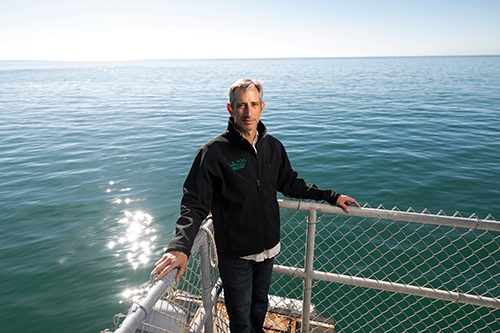
Photo by Joe Johnston
The expected “super” El Niño weather season ahead could affect a variety of species that inhabit the ocean and coastal land, according to Cal Poly’s director of the Center for Coastal Marine Sciences.
Ben Ruttenberg described this year’s anticipated El Niño as perhaps the strongest the West Coast will have experienced in many decades. In addition to the likelihood of significantly more rain, Ruttenberg explained that the effects will weaken trade winds and upwelling, bringing warmer ocean water that will raise sea levels by up to six inches to a foot. The ocean conditions will increase competition for food as nutrient sources decline, including plankton and kelp that thrive in cold, nutrient-rich upwelling areas.
“Those nutrients fuel the entire food web,” Ruttenberg said in a news release. “Phytoplankton and zooplankton eaten by small fish will be less available, meaning less food for whales, sea lions, seals, seabirds, and the whole host of organisms that forage on them.”
The last significant marine-impacting climate pattern, the North Pacific Ocean heatwave known as “the Blob” combined with a strong El Niño between 2014 and 2016 and had substantial impacts on a range of species. Among other effects, it contributed to the deaths of an estimated 4 million common murre seabirds in Alaska that suffered from mass starvation from ocean disruptions, and in part led to the loss of kelp forests throughout Northern California.
El Niño is caused by the weakening or reversal of east-to-west trade winds across the tropical Pacific Ocean, causing relatively warm offshore conditions in the eastern Pacific Ocean regions from South America as far north as California and the Pacific Northwest.
However, because of coastal winds, there will likely still be some upwelling near the shore, bringing slightly cooler waters and more nutrients closer to land. As a result, key ocean prey species, like baitfish and krill, may therefore be found closer to the coast than normal.
“If you like whale watching, there will likely be many more whales closer to shore this year,” Ruttenberg said. “It’s good for whale watching, but bad for the marine mammals because it puts them in closer proximity to activities involving people, including vessels and fishing gear.”
California Gov. Gavin Newsom already has declared a state of emergency as the storm season develops. Based on NOAA forecasts, Ruttenberg said December, January and February are likely to see the strongest impacts from El Niño, but the climate-caused conditions may last well into spring.
For safety preparedness, Ruttenberg recommends that residents clean rain gutters, ensure adequate drainage and trim overhanging branches that could damage property.
“While the severity of the conditions can vary, extreme rain events and the potential for flooding are more likely this year,” Ruttenberg said. “And like in any emergency, it will be good to have batteries, clean drinking water, and food on hand in case there’s a massive event, and you have to leave your house, or you’re stuck for a few days without power.”
Send your news, community, and business briefs to EditorEBN@gmail.com. Be sure to include the who, what, why, where and when information along with a contact person.