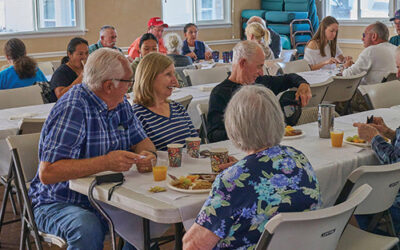

A celebration of the 101st anniversary of the Brotherhood of Sleeping Car Porters is part of an event put on by the local branch of the NAACP and the SLO Railroad Museum. Photo submitted
Step back in time and take a “swift ride on the Soul Train” in celebration of the first Black labor union.
The NAACP San Luis Obispo County Branch is partnering with the SLO Railroad Museum for “From Pullman to Soul Train,” a fundraiser celebrating the centennial of their vintage Pullman lounge car and the 101st anniversary of the Brotherhood of Sleeping Car Porters and Maids.
The event honors the legacy of the porters and maids, whose labor, organizing, and determination played an important role in the advancement of Black workers and the broader American civil rights movement.
“The overall significance of the event is to celebrate our shared history of American rail travel and the parallel tracks of our country’s progress in civil rights and social equality,” John King, who serves as the chairperson of the Freedom Fund of the NAACP of SLO County, told Estero Bay News. “We hope to highlight the importance of the work the Brotherhood of Sleeping Car Porters and Maids contributed to the Black community while providing an important service to the country and all of its citizens.”
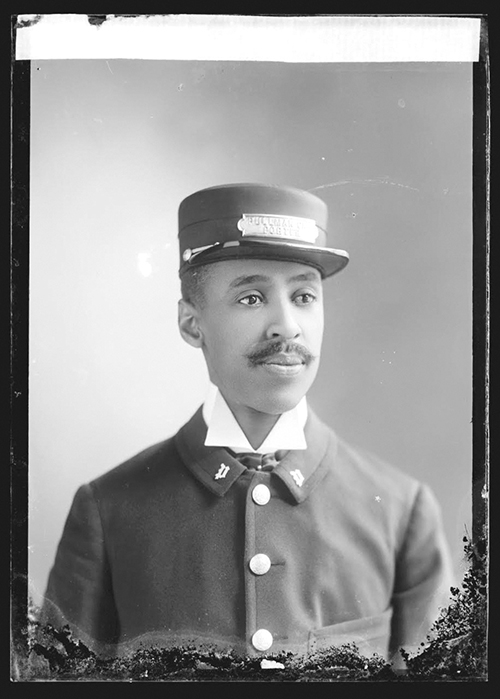
Organized in 1925, the Brotherhood of Sleeping Car Porters (BSCP) was the first Black labor union. It represented porters employed by the Pullman Company, the largest employer of Black people that purposefully hired “formerly enslaved people to achieve the high-quality customer service the Pullman cars were known for,” according to the Library of Congress.
Sleeping car porters shined shoes, made up beds, woke passengers, and provided other services to ensure a comfortable trip. They had to pay for their own meals, uniforms, shoe-shine supplies, and lodging while away from home. They were also held financially responsible for company equipment or passenger thefts, such as stolen towels or water pitchers. On top of which, they were forced to work long hours, subjected to discrimination and racism, and had no voice to confront these issues.
Pullman maids and wives of porters participated from the union’s founding as well. Because maids faced severe retaliation and firing from the company for organizing, wives and women relatives formed local Women’s Economic Councils to collect dues, circulate secret correspondence, host meetings, and distribute literature safely.
The formation of the BSCP Under the landmark April 1937 collective bargaining agreement, secured transformative improvements with the Pullman Company.
• Capped Work Hours: Reduced monthly requirements from roughly 400 hours down to a 240-hour work month.
• Significant Wage Increases: Provided substantial baseline pay increases, reducing extreme dependence on passenger tips.
• Overtime and Preparatory Pay: Guaranteed pay for terminal delays, preparatory work, and overtime hours worked over 260 hours.
• Grievance and Due Process Rights: Established formal dispute mechanisms, ending arbitrary firings by supervisors and granting workers representation during hearings.
In 1938, the union officially chartered the International Ladies’ Auxiliary to the BSCP, granting women full national officer voting rights and formal membership.
The union had a further reach across the country allowing for the growth of the Black middle class; showing that nonviolent, coordinated pressure could successfully challenge major corporate and government institutions; and creating the blueprint for the civil rights movement.
The local branch of the NAACP (naacpslocty.org) has 400 members and is open to any race, background, or identity committed to civil rights and equality.
“Although San Luis Obispo County has a smaller than average Black population, Black-owned businesses, educators, students, and residents throughout the county benefit from the programs and assistance provided by our organization,” King said. “Since we don’t restrict our membership racially, we have many non-Black members in our ranks performing important roles in the organization’s efforts to bring equality to all members of our community.”
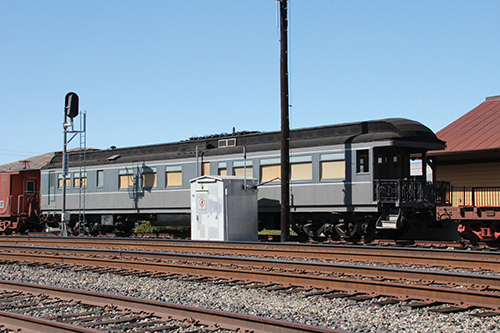
The event will also commemorate the 100th birthday of the La Cuesta Pullman Dining Car, a 1926 Pullman observation open-platform car donated to the SLO Railroad Museum. It was one of five cars built as café-lounge cars. It all takes place Saturday, September 26, from 5 p.m. to 10 p.m. at the San Luis Obispo Railroad Museum, 1940 Santa Barbara Avenue, San Luis Obispo.
The aim is to connect generations of Black history “from the elegance and perseverance associated with Pullman rail service to the music, fashion, and cultural influence of the ‘Soul Train’ era.” Guests are encouraged to embrace the evening’s theme by dressing in “Pullman Elegance or Soul Train Vibes.”
The celebration will feature a live DJ playing Motown, funk, soul, and classic favorites; museum tours; a Soul Train dance line; retro awards; food and soft drinks; and wine available for purchase. Guests are encouraged to dress in Pullman Elegance (1920s–1930s formal travel wear) or Soul Train Vibes (1970s funk flair).
“Moving from Pullman to ‘Soul Train, traces Black American history from early 20th-century labor organizing and civil rights struggles through the late-20th-century explosion of Black joy, artistic self-expression, and cultural mainstreaming,” King said
Tickets are $75 per person and include admission to all activities, food, and soft drinks. They are available at https://w3hkjml.s.gy/f8mgQL.
King said the proceeds from the Freedom Fund will support the ongoing work and mission of the NAACP SLO County Branch to “advance civil rights, equity, civic engagement, and opportunities for communities throughout San Luis Obispo County including higher education scholarships for local minority and underserved youth; community civil rights advocacy, legal redress, and educational outreach programs; and local events and youth empowerment initiatives.”
Founded Feb. 12. 1909, the NAACP is the nation’s oldest, largest, and most widely recognized grassroots-based civil rights organization. It’s more than half-million members and supporters throughout the United States and the world are the premier advocates for civil rights in their communities, campaigning for equal opportunity and conducting voter mobilization, according to their website.
As Don Cornelius, the host of “Soul Train,” said when signing off, “love, peace, and soul.”